Basement and Parking Ventilation Systems
Underground parking and basement areas require specialized ventilation to manage vehicle exhaust, prevent CO accumulation, and provide smoke purge during fire emergencies. Perfect HVAC Solutions delivers complete basement ventilation projects across India, fully compliant with NBC 2016 and local fire safety norms.
Why Basement Ventilation Is Critical
Without proper ventilation, basement parking levels accumulate carbon monoxide (CO) from vehicle exhaust, NO2 from diesel vehicles, and dangerous heat during summer. Modern fire codes also require basements to evacuate smoke during fire emergencies, making integrated ventilation/smoke management systems mandatory for all basement parking projects.
Two Approaches We Deploy
- Conventional Ducted Ventilation - Traditional supply and exhaust fans with extensive ductwork distributing air throughout the basement
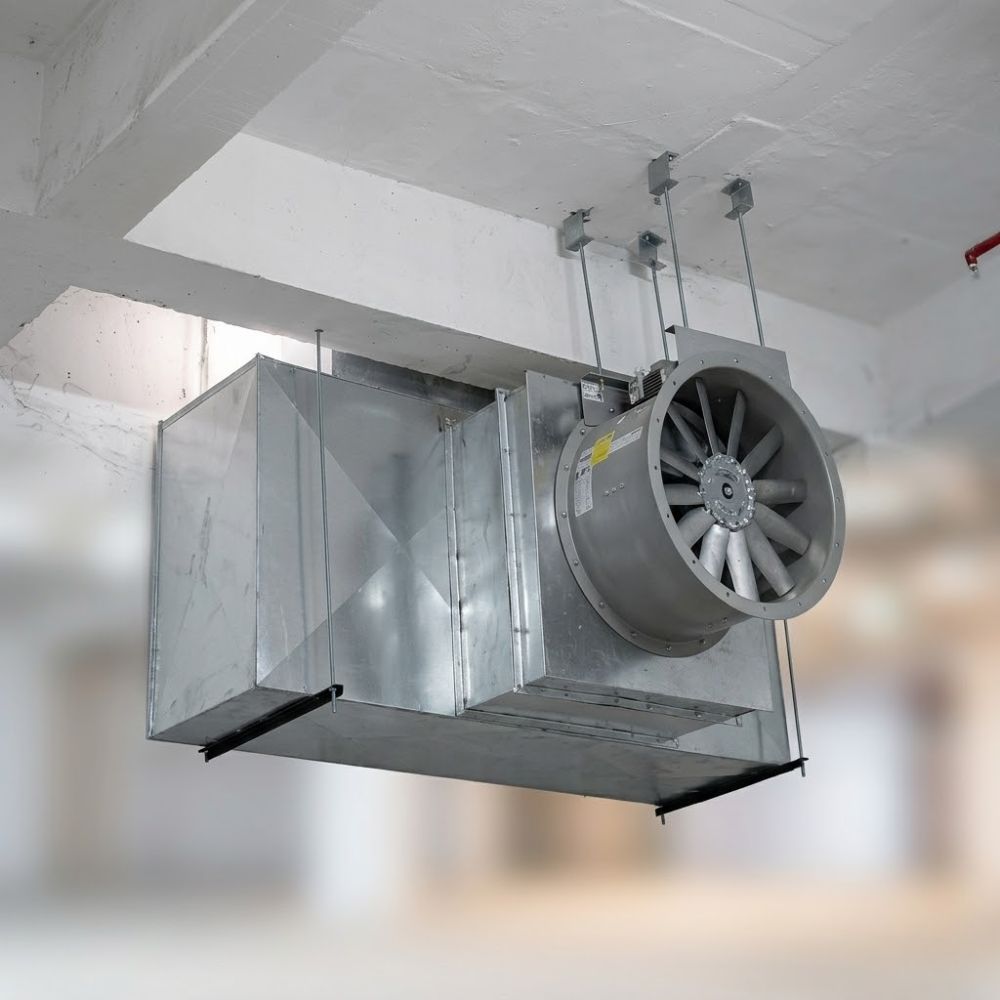
- Jet Fan / Impulse Ventilation - Modern ductless approach using high-velocity jet fans to drive air across the basement to perimeter exhaust shafts, freeing ceiling space for parking and lighting
System Components
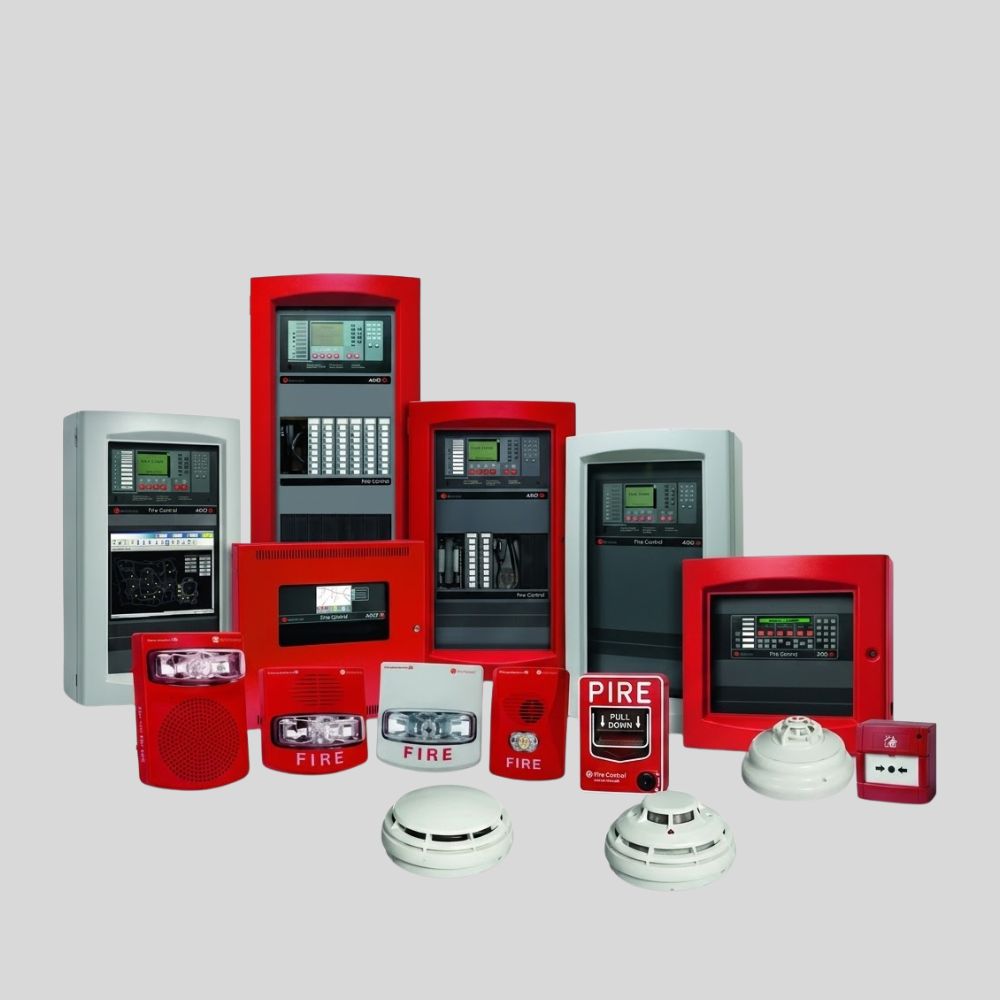
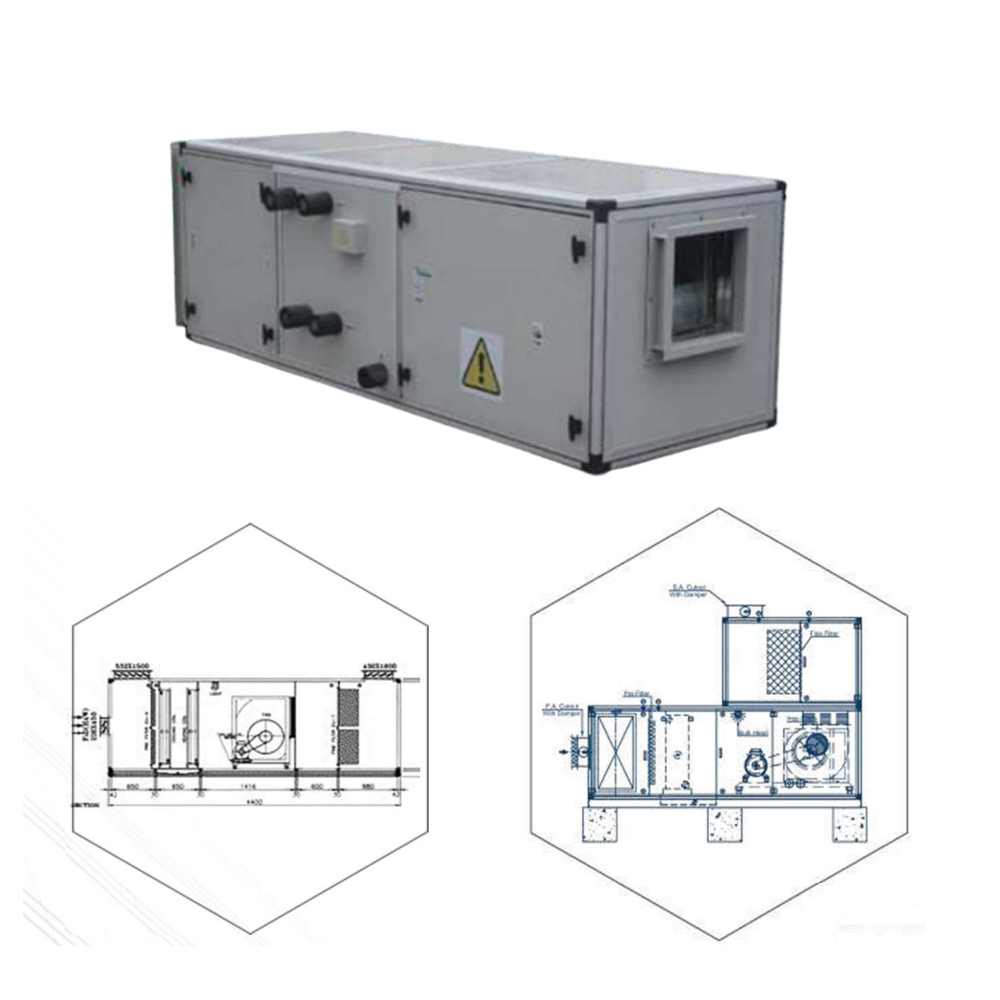
Our basement ventilation systems include supply air fans, exhaust fans (often dual-speed or VFD), jet fans for impulse systems, CO and NO2 gas sensors, smoke detectors integrated with fire alarm, motorized dampers, control panels with PLC logic, and BMS integration for monitoring.
Brand Partnerships
We supply basement ventilation equipment from Greenheck, Twin City, Soler & Palau, Halton (jet fans), Systemair, and Indian manufacturers. Sensor systems from Honeywell, Siemens, and MSA are available for CO/NO2 monitoring.
Compliance and Standards
All our basement ventilation systems comply with NBC 2016 (National Building Code of India), IGBC LEED requirements, NFPA 88A standards for parking structures, and local building bye-laws. We provide complete documentation including airflow test reports, smoke purge mode testing, and CO sensor calibration certificates.
Project Sectors
Our basement ventilation installations cover commercial office basements, residential apartment basements, hotel parking levels, hospital parking, multiplex cinemas, shopping malls, government buildings, and large industrial facilities with basement utility areas.